Water Heater Specialists

RV Water Heater Repair and Replacement in Palm City

No hot water, inconsistent temperatures, strange smells from the tank. We work on Dometic, Suburban, and Atwood units every week, both standard tank and tankless models. We'll get your hot water running right again.

RV water heater problems usually come down to a handful of parts: the heating element, thermostat, anode rod, or burner assembly. When one of these fails, you're stuck with cold or lukewarm water until it gets sorted out. We repair and replace all major brands at your location in Palm City and throughout Martin County, and most jobs wrap up in a single visit.

TL;DR

We fix Dometic, Suburban, and Atwood RV water heaters on-site. Element and thermostat swaps run $95-195. Anode rod replacement is $65-125. Full unit replacement costs $350-700, and tankless upgrades run $600-1,200. We carry common parts in our truck for same-day service across Martin County.

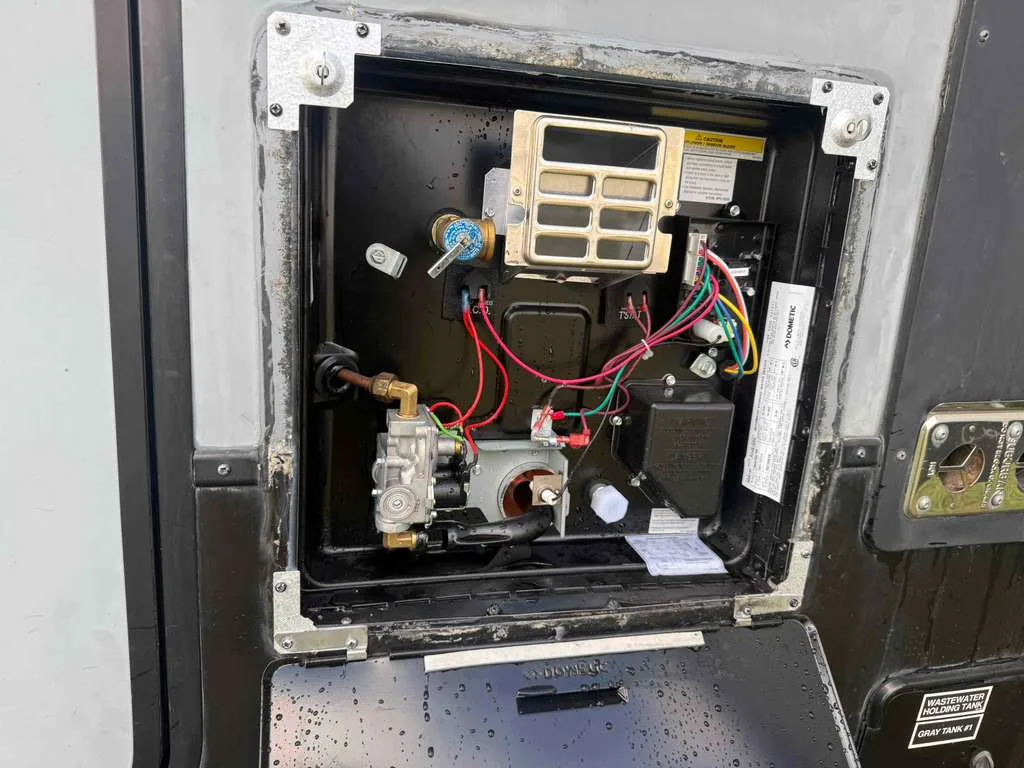
RV water heater installation and replacement service in Palm City FL

What's Involved in RV Water Heater Repair

Every water heater job starts with figuring out what type of unit you've got and what's actually failing. Suburban and Atwood models use a tank system that holds 6 to 10 gallons. Dometic makes both tank and tankless versions. Each has its own quirks, and the diagnostic process is different for each.

For electric units, we test the heating element with a multimeter and check the thermostat's calibration. A corroded element is the most common failure point. In propane models, we inspect the burner tube for obstructions (spiders love building webs in there), check the gas valve, and verify igniter operation. Dual-fuel units get both sides checked.

We also pull the anode rod and inspect the tank interior for corrosion. If the rod is more than half gone, we replace it on the spot. A worn-out anode rod means the tank itself starts corroding, and once the tank develops pinholes, replacement is the only option.
Signs Your RV Water Heater Needs Service

The most obvious symptom is water that won't get hot or only gets lukewarm after the heater's been running for 20+ minutes. But there are subtler warning signs that catch most people off guard.

A sulfur or rotten egg smell from your hot water tap means bacteria are reacting with the anode rod inside the tank. It's not dangerous to drink, but it's unpleasant and indicates the rod needs attention. Rumbling or popping sounds when the heater fires up mean sediment has built up on the bottom of the tank, and the water underneath is boiling and pushing through the layer. That sediment acts like insulation between the heat source and the water, forcing the element or burner to work harder and burn out sooner.

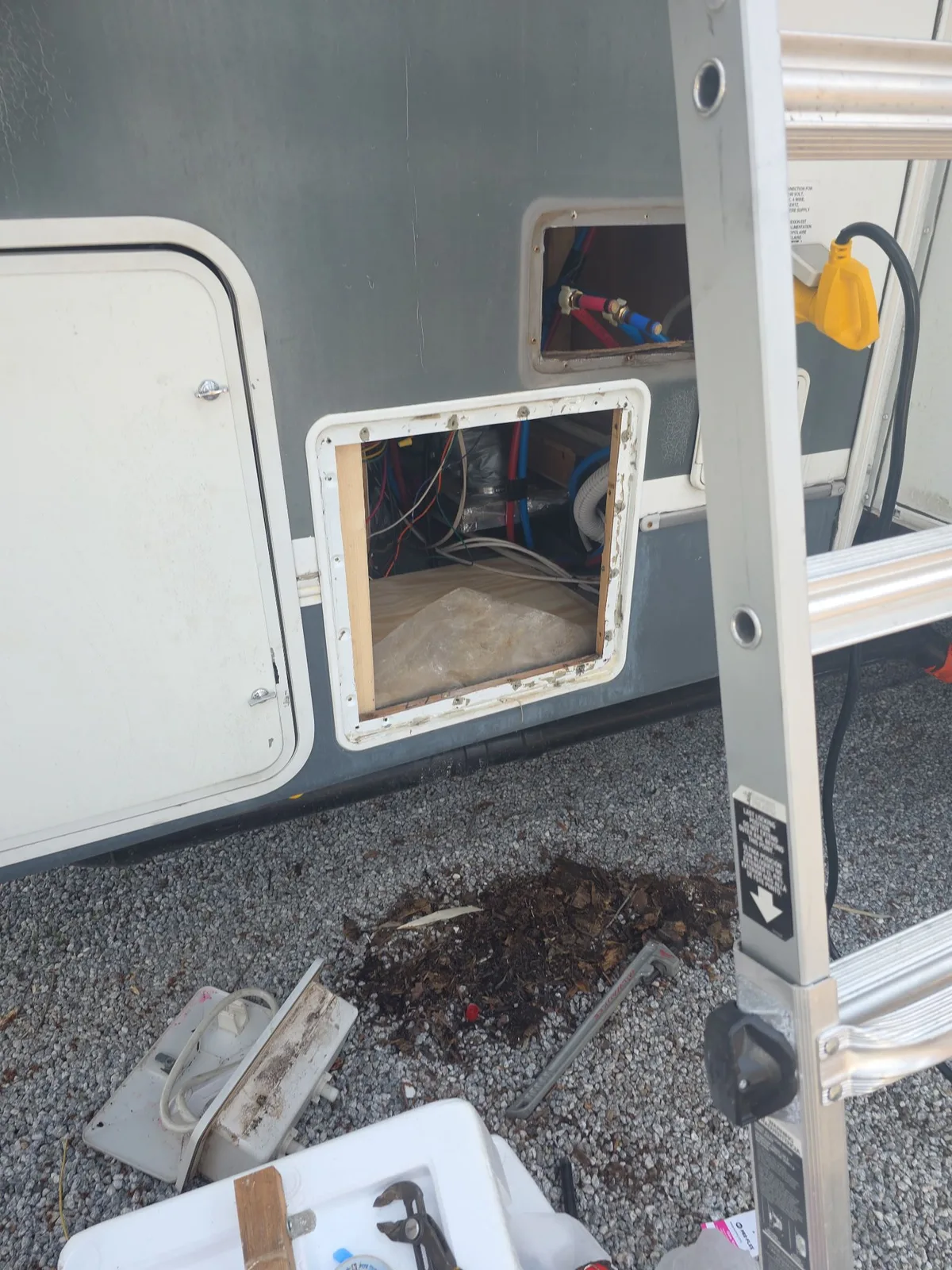
RV water heater replacement on a motorhome in Palm City Florida

Water dripping from the pressure relief valve usually means the valve is doing its job because pressure is too high, which points to a thermostat stuck in the on position. Rusty or discolored hot water means internal tank corrosion has started. And if your propane heater takes three or four attempts to ignite, the igniter electrode is either dirty, cracked, or positioned wrong.

If you're noticing any of these, don't wait on it. A water heater element replacement is $95-195. A new water heater because someone ignored the warning signs is $350-700.

RV Water Heater Repair Pricing

Service Typical Price Range
Anode Rod Replacement $65 - $125
Element or Thermostat Replacement $95 - $195
Burner Tube Cleaning & Igniter Service $85 - $165
Gas Valve Replacement $145 - $285
Tank Flush & Sediment Removal $75 - $125
Full Tank Water Heater Replacement $350 - $700
Tankless Water Heater Installation $600 - $1,200

Prices depend on your unit's brand, model, and accessibility. You'll always get an exact quote before we start.

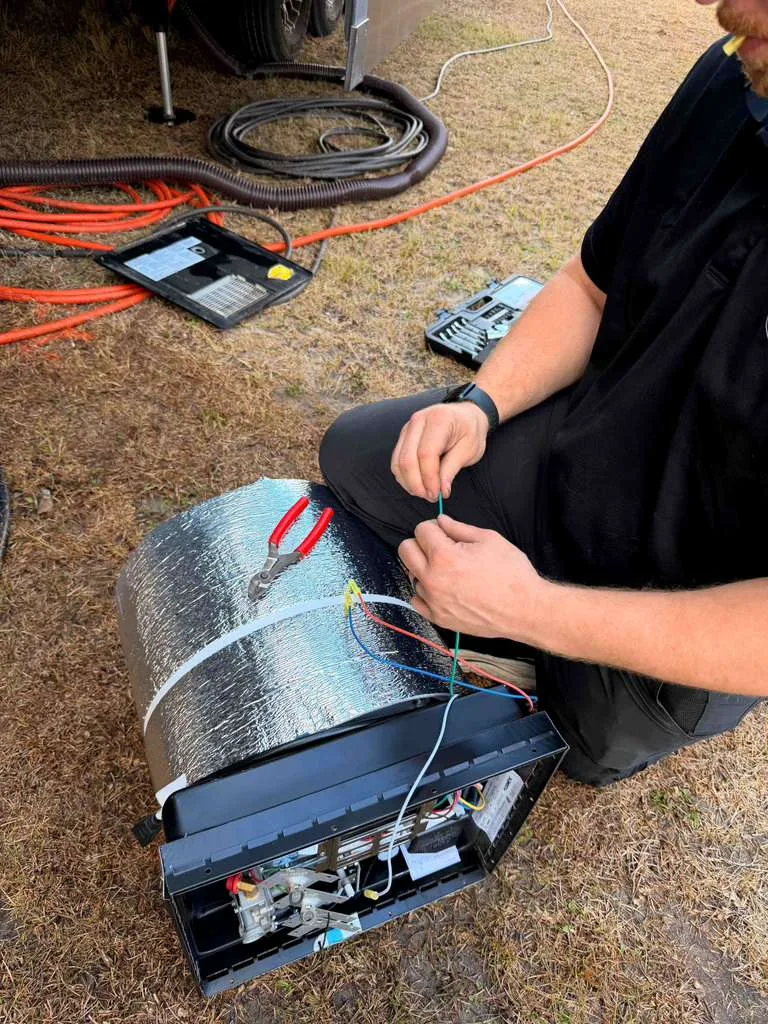
Wiring a new RV water heater during replacement in Palm City FL

Tank vs. Tankless: Which One's Right for You

Traditional tank water heaters store 6 to 10 gallons and heat them using electric elements, propane, or both. They're simple, reliable, and parts are widely available. The downside is limited hot water. Once the tank runs cold, you're waiting 20-30 minutes for the next batch.

Tankless units heat water on demand as it flows through the heater. You'll never run out of hot water, which matters if multiple people are showering or you're washing dishes and someone starts a shower. They weigh less, take up less space, and you won't have anode rod maintenance. The trade-off is a higher upfront cost and slightly more complex installation.

For full-timers and extended-trip campers, tankless is usually worth the investment. For weekend warriors, a standard tank heater does the job without the extra expense. We install both and can walk you through the specifics for your rig.

Water Heater Challenges in Martin County

Florida's water has moderate to high mineral content, and that takes a toll on water heater components. Calcium and magnesium deposits build up on heating elements faster here than in areas with softer water. That means elements burn out sooner and tanks need flushing more often. We recommend flushing your tank every six months if you're connected to shore water regularly at Martin County campgrounds.

The heat plays a role too. An RV sitting in direct sunlight with a metal exterior panel over the water heater compartment can push temperatures inside that compartment above 130 degrees. Gaskets and seals deteriorate faster in that kind of heat. The pressure relief valve gets more of a workout, and plastic drain valves become brittle. We see these Florida-specific wear patterns constantly and know which parts to check proactively during any water heater service call.

Humidity is the other factor. Electrical connections and igniter components corrode faster in South Florida's moisture-heavy air. We clean and protect all electrical connections during every water heater repair to prevent callbacks down the road.

Frequently Asked Questions

How much does RV water heater repair cost in Palm City?

It depends on what's wrong. A heating element or thermostat replacement runs $95-195. Anode rod replacement costs $65-125. If the whole unit needs to go, a standard tank water heater replacement is $350-700, and a tankless install runs $600-1,200. You'll get an exact price before we start any work.

Why is my RV water heater only producing lukewarm water?

The most common cause is a failing heating element in electric units or a clogged burner tube in propane models. Sediment buildup on the element acts as insulation, preventing it from heating the water properly. In propane heaters, spiders love nesting in the burner tube, which restricts gas flow and reduces flame output. Either way, it's a straightforward fix once we identify the source.

How often should I replace the anode rod in my RV water heater?

Check it once a year and replace it when it's lost more than 50% of its material. In Florida, where the water has moderate mineral content, most anode rods last 1-2 years. The rod sacrifices itself to protect the steel tank from corrosion. If you skip this, the tank itself starts corroding, and that's a much more expensive problem.

Should I upgrade my RV water heater to a tankless unit?

It depends on how you use your RV. Tankless units give you unlimited hot water, weigh less, and free up storage space. They cost more upfront, typically $600-1,200 installed, but they're worth it if you camp for extended periods or have multiple people showering. If you only weekend camp occasionally, a standard tank heater does the job just fine.

My RV water heater smells like rotten eggs. What causes that?

That sulfur smell happens when bacteria react with the anode rod in your tank. It's especially common in RVs that sit unused for weeks. The fix is usually a combination of flushing the tank, replacing the anode rod, and sanitizing with a hydrogen peroxide solution. In stubborn cases, switching to an aluminum or zinc anode rod instead of magnesium eliminates the problem completely.

Can you convert my RV water heater from propane-only to dual fuel?

In most cases, yes. Many Suburban and Atwood tank heaters can have an electric element added if the tank has the right port. This lets you heat water on shore power without burning propane, which saves money at campgrounds. The conversion typically runs $150-300 depending on the unit and wiring requirements.

Cold Showers Aren't Part of the Plan

Whether it's a quick element swap or a full tankless upgrade, we'll come to your location and handle it. Honest pricing, no surprises.

Call 772-271-5270