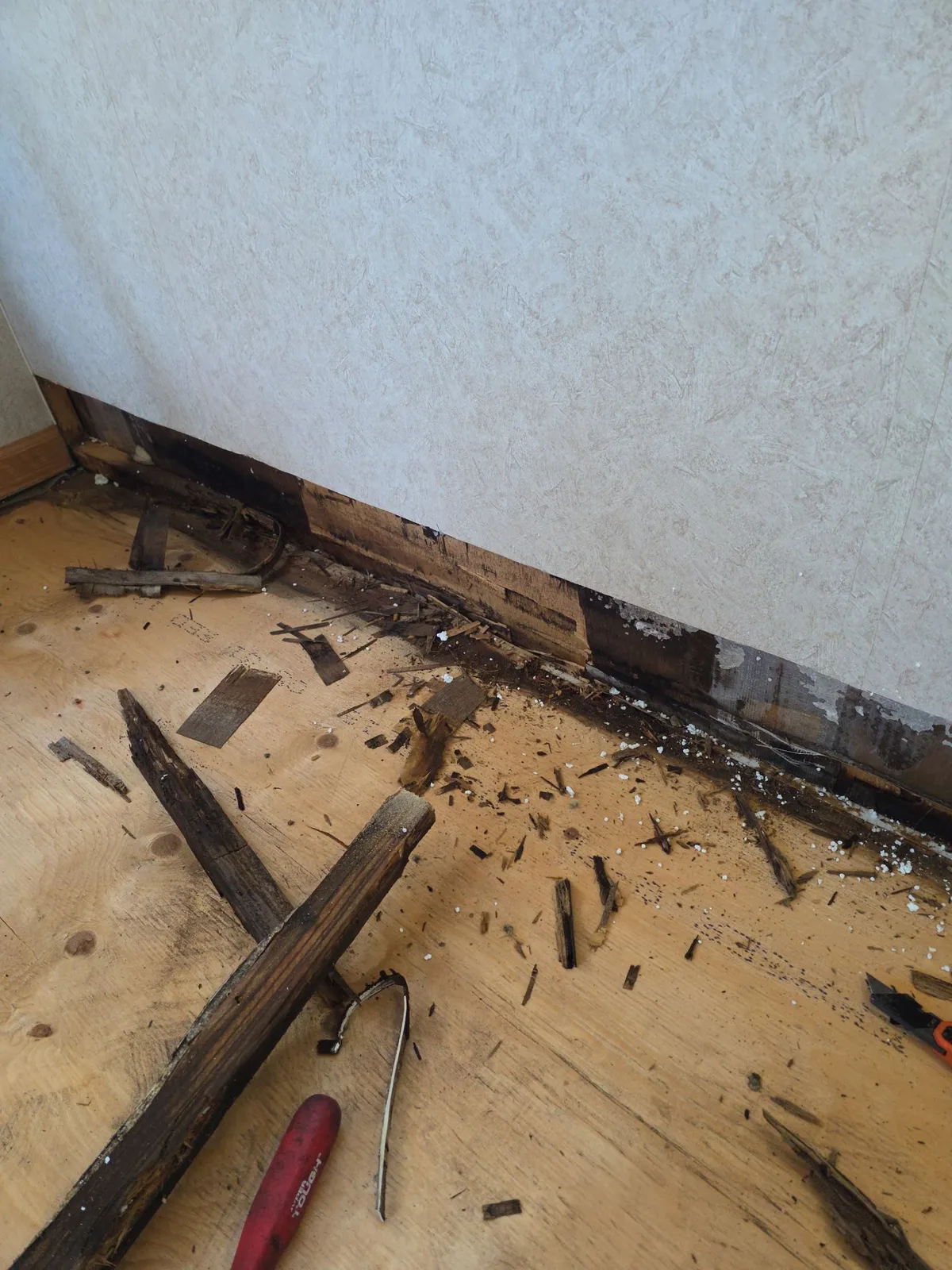
Hidden leaks destroy RVs from the inside out. Soft floors, musty smells, water stains you can't explain. We find the source with pressure testing and moisture meters, then fix it before the damage spreads.
Water leaks are the most expensive plumbing problem to ignore. A drip you can't see behind a wall today turns into rotted subfloor and mold growth within weeks, especially in Florida's humidity. We use professional pressure testing and moisture detection equipment to pinpoint leaks without tearing your RV apart, then repair them on the spot.
We find and fix RV plumbing leaks on-site in Martin County. Leak detection with pressure testing and moisture scanning costs $85-165. Minor leak repairs run $125-275. Hidden leaks behind walls or under floors cost $250-500 including repair. We find the source first, give you a price, then fix it.
We start by pressurizing the freshwater system and watching the gauge. If the pressure drops, there's a leak. How fast it drops tells us roughly how big it is. A rapid drop means a significant leak, usually one you can find visually. A slow, steady drop means a small, hidden leak that's harder to track down.
Next, we use professional-grade moisture meters to scan walls, floors, and ceilings without cutting into anything. These tools detect elevated moisture levels through the surface material, which tells us exactly where water has traveled. We map out the wet areas to trace the water path back to the source.
Once we've found the origin, we access the leak with the smallest opening possible. Sometimes it's just removing an access panel or pulling the kick plate under a cabinet. For leaks buried deeper in walls, we make a strategic cut that's easy to patch. The goal is to fix the plumbing and minimize the cosmetic repair needed afterward.
The number one indicator is a water pump that cycles on and off by itself when nobody's using water. The pump builds pressure, the leak bleeds it away, and the pressure switch kicks the pump back on. If you hear that pattern, especially at night when the RV is quiet, you've got a leak somewhere in the pressurized lines.
Musty smells that won't go away with cleaning are another major sign. That smell is mold and mildew growing in areas where moisture has accumulated. In Florida's climate, mold can establish within 24-48 hours of water contacting a surface. By the time you smell it, the colony has been growing for days.
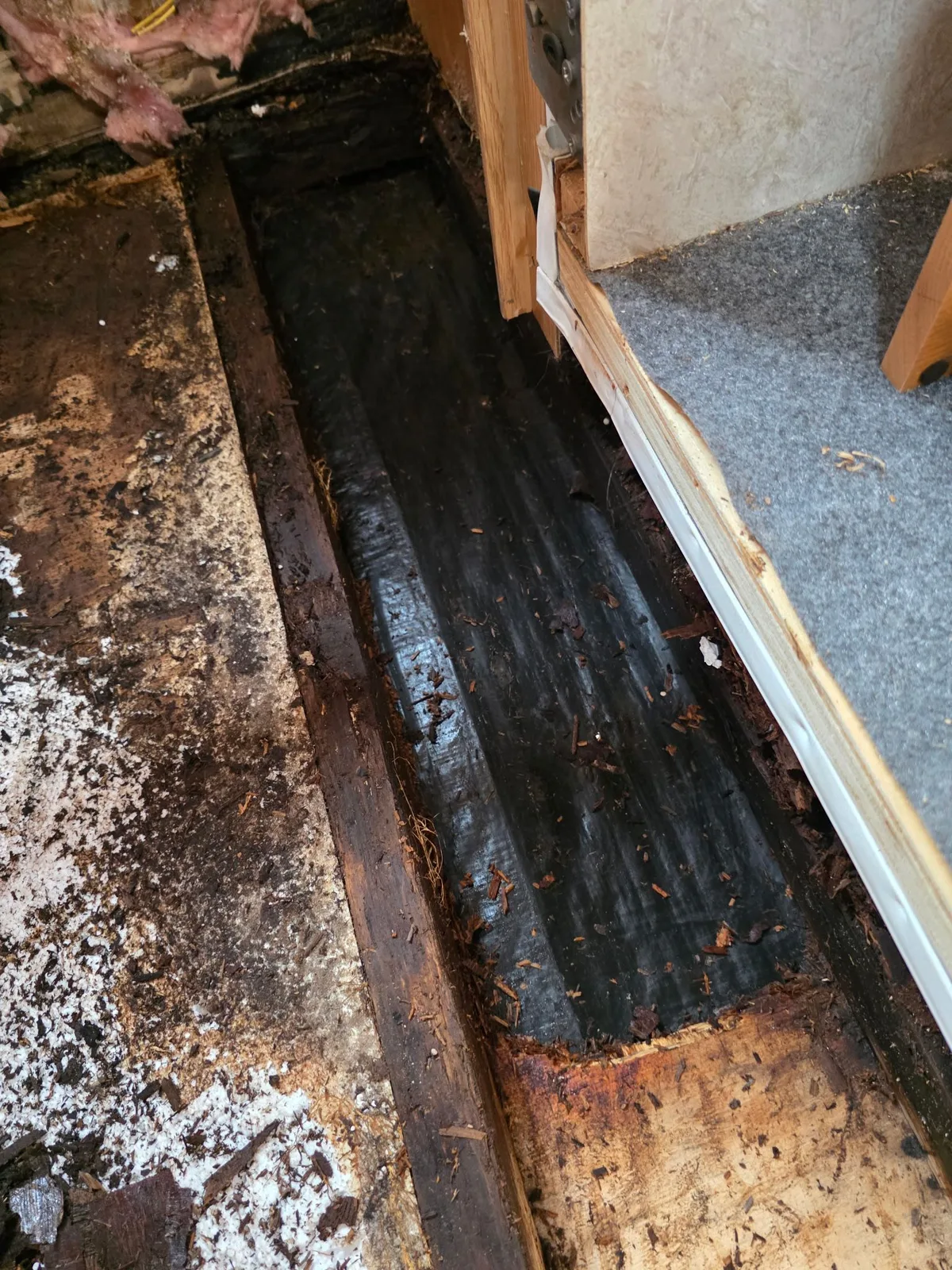
Soft or spongy spots in the floor mean water has been soaking into the subfloor material. RV floors use composite wood and foam layers that absorb water readily. Once saturated, they lose their structural integrity. If you feel a soft spot, the leak has been active for at least a few weeks.
Other signs include discoloration on interior wall panels, peeling wallpaper or delaminating surfaces, water stains on the ceiling (which could indicate a roof leak rather than a plumbing leak), and your fresh water tank emptying noticeably faster than normal. If your tank used to last three days and now it's gone in two, water is going somewhere you don't want it to.
| Service | Typical Price Range |
|---|---|
| Leak Detection (Pressure Test + Moisture Scan) | $85 - $165 |
| Minor Leak Repair (Accessible Fitting) | $125 - $275 |
| Hidden Leak Repair (Behind Walls/Under Floors) | $250 - $500 |
| Fitting Replacement at Leak Point | $75 - $175 |
| Section Re-pipe (Damaged Run) | $150 - $350 |
Prices depend on leak location, accessibility, and extent of plumbing damage. You'll get an exact quote before any repair work starts.
In a dry climate, a small leak might not cause serious damage for months. In Martin County, where humidity regularly sits above 75%, that same leak creates conditions for mold growth almost immediately. The moisture doesn't evaporate. It just spreads. The subfloor stays wet, the wall cavity stays damp, and biological growth takes hold fast.
Temperature cycling is another factor. Florida's daily heat swings cause PEX fittings and crimp rings to expand and contract. Over thousands of cycles, even properly installed fittings can work themselves loose. Add road vibration on top of that, and you've got a recipe for fittings that were tight when installed slowly developing micro-leaks months or years later.
We also see a lot of leaks around water heaters in Florida rigs. The combination of mineral-heavy water, high temperatures in the water heater compartment, and humidity working on external connections creates a perfect environment for corrosion. A water heater drain valve or pressure relief valve that's slightly weeping can send water into the subfloor below without any visible drips on the outside.
The bottom line: in Florida, every RV leak is a time-sensitive problem. The longer you wait, the more expensive the repair becomes. A $125 fitting repair can turn into a $2,000+ subfloor replacement if you give it a few weeks.
A leak detection inspection with pressure testing and moisture meter scanning runs $85-165. If we find a minor leak at an accessible fitting, repair costs $125-275. Hidden leaks behind walls or under floors that require opening panels run $250-500 including the repair and closing everything back up.
The biggest giveaway is a water pump that cycles on and off by itself when no faucets are running. Other signs include musty or moldy smells that won't go away, soft spots on the floor, water stains on walls or ceilings, and your fresh water tank emptying faster than it should. In Florida's humidity, mold can start growing within 48 hours of a leak starting.
In most cases, yes. We use pressure testing to confirm a leak exists and narrow down the section of plumbing. Then we use professional moisture meters that detect water through walls and floors without cutting anything. We only open panels when we've already pinpointed the location, which keeps the repair minimal and the cost down.
Very fast. Florida's average humidity sits between 70-80%, which means moisture doesn't dry out on its own. Mold can establish within 24-48 hours. Within a week, you can have mold growth behind walls. Within a month, the subfloor composite starts breaking down. We've seen small leaks cause thousands in structural damage because they went unaddressed for a few weeks.
Almost certainly. RV floors use composite materials that absorb water and delaminate. A soft spot means water has been soaking into that area, possibly for weeks or months. The leak source could be directly above, or water could be traveling along a surface and pooling there. We'll trace the path back to the source and fix both the leak and assess the extent of the floor damage.
The most common spots are under sinks at the supply line connections, around the water heater, at the back of the toilet where it connects to the supply line, and at PEX crimp fittings inside walls. Road vibration loosens fittings over time, and the connections that flex the most during travel are the ones that leak first. We check all these high-risk points during every leak detection service.
A quick pressure test and moisture scan tells you exactly where you stand. We'll find it, price it, and fix it. No guesswork.
Call 772-271-5270