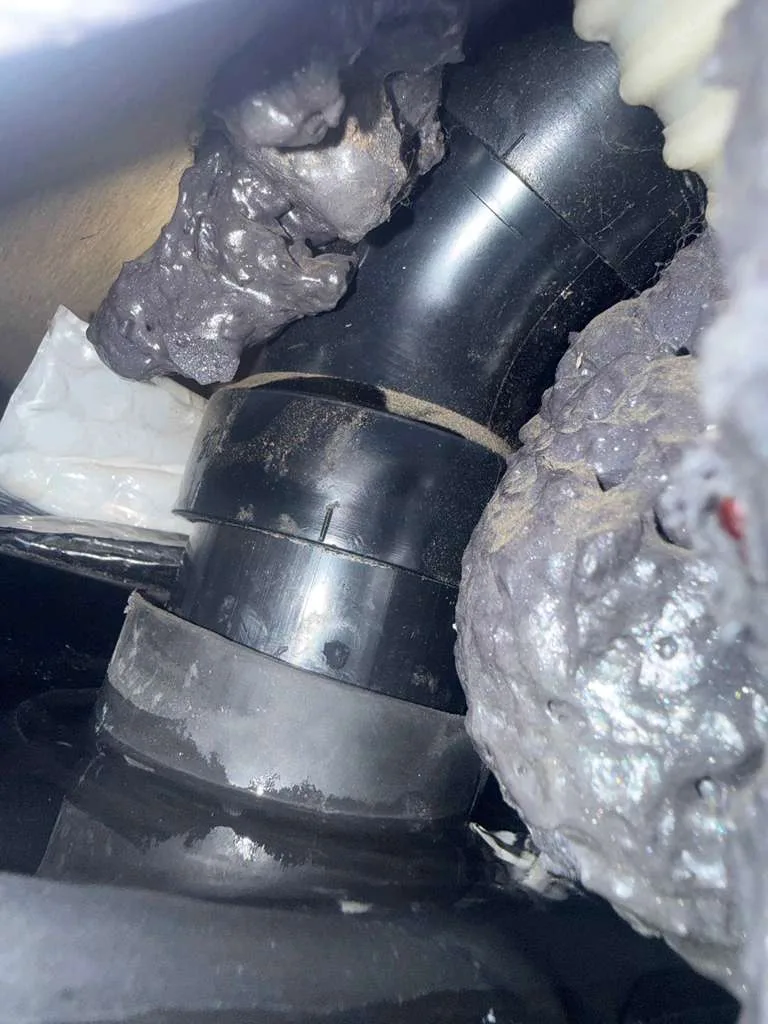
False sensor readings, stuck gate valves, sewer smells that won't go away. We service black and gray tanks, replace sensors, rebuild valves, and get your waste system working properly again.
Your RV's holding tanks are the part of the plumbing system nobody wants to think about until something goes wrong. When sensors lie about tank levels, gate valves refuse to open, or sewer smells start creeping into the living space, it's time for professional service. We handle everything from tank flushing and sensor replacement to full gate valve rebuilds and vent pipe repairs at your location in Palm City.
We service black and gray RV holding tanks on-site in Martin County. Sensor repair or replacement costs $95-195. Gate valve replacement runs $125-275. Tank repairs range from $200-450. We also install tank flush systems and external sensors for long-term reliability.
Every holding tank job starts with understanding your specific symptoms. False sensor readings, slow drainage, odor problems, and physical leaks all require different approaches. We inspect the entire waste system from the toilet connection through the tanks, gate valves, vent pipes, and dump connections.
For sensor problems, we start by thoroughly flushing the tank to clear any buildup from the sensor probes. If cleaning restores accurate readings, you're done. If the sensors are corroded or damaged beyond cleaning, we install new ones. For persistent sensor issues, external ultrasonic sensors are the best permanent solution because they never contact the tank contents.
Gate valve work involves removing the old valve, cleaning the mating surfaces, and installing a new valve with proper sealing. We test the entire assembly under real conditions to make sure it opens fully, closes completely, and doesn't drip. A leaking gate valve isn't just messy; it's a health hazard.
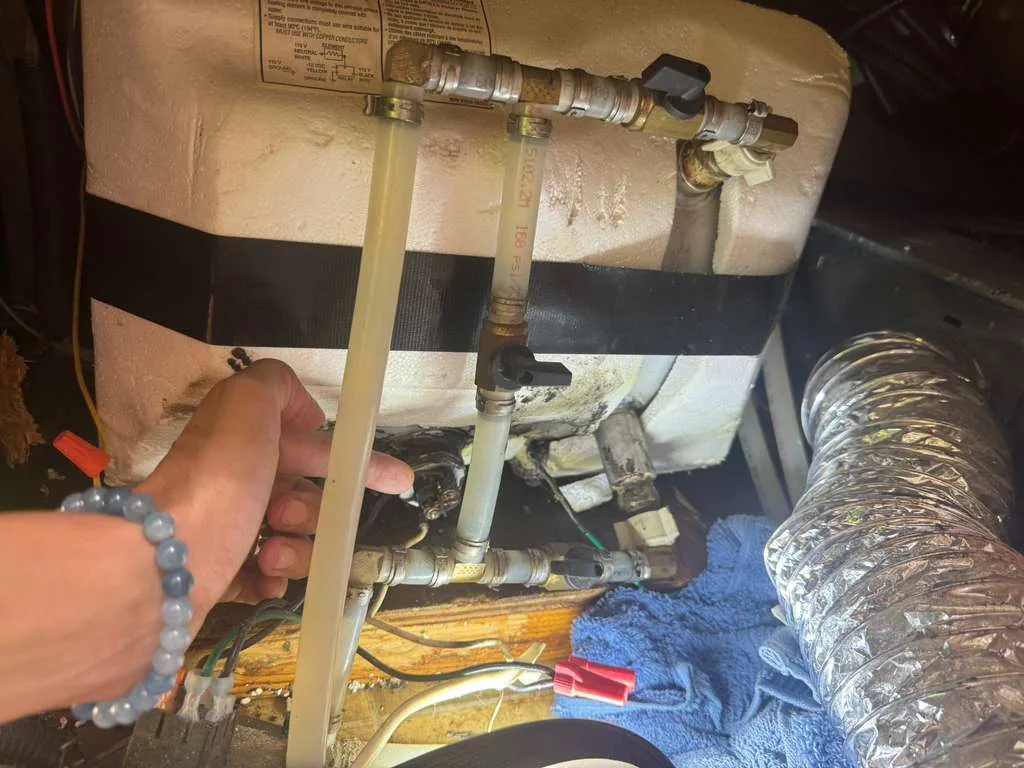
The most common complaint is tank level sensors that always read full, even right after dumping. This affects the black tank most often because waste and paper residue coats the sensor probes over time. You end up guessing how full the tank is, which either means dumping too often or waiting too long and dealing with a backup.
Slow drainage when dumping is a red flag. If the tank takes much longer than usual to empty, something is partially blocking the flow. It could be a buildup of solidified waste in the bottom of the tank (often called a "pyramid plug"), a gate valve that's not opening fully, or a collapsed section of drain pipe. The longer you ignore slow drainage, the harder the blockage becomes to clear.
Persistent sewer odor inside the coach points to a vent system problem. Every holding tank has a vent pipe that runs up through the roof, allowing gases to escape and air to enter during dumping. If that vent is clogged (insects and debris are common culprits), the gases have nowhere to go except back up through the toilet or drain traps. A blocked vent also causes slow drainage because the tank can't equalize pressure as waste flows out.
A gate valve that leaks when closed, won't open at all, or is stuck partially open needs immediate attention. These valves handle waste material and any failure creates a sanitary hazard. We see valves fail from corrosion, impact damage from road debris, and simply from age and repeated use.
| Service | Typical Price Range |
|---|---|
| Tank Flush & Sensor Cleaning | $85 - $155 |
| Sensor Repair / Replacement | $95 - $195 |
| External Ultrasonic Sensor Install | $150 - $250 |
| Gate Valve Replacement | $125 - $275 |
| Vent Pipe Clearing / Repair | $75 - $165 |
| Tank Repair (Crack or Damage) | $200 - $450 |
| Tank Flush System Installation | $125 - $225 |
Prices depend on tank accessibility, the specific component, and your RV's configuration. You'll get an exact quote before work starts.
The single best thing you can do for your black tank is use plenty of water with every flush. The number one cause of tank problems is insufficient water. Waste solidifies in a low-water tank, coats the sensors, and creates blockages that are expensive to remove. Always add a few gallons of water to the tank after dumping, and use a quality enzyme-based tank treatment to keep things breaking down.
Only use RV-rated toilet paper. Regular household toilet paper doesn't dissolve the same way and contributes to sensor buildup and clogs. It costs a dollar more per roll but saves you hundreds in tank service calls. Avoid putting food waste, grease, or any solid material down the drains that feed your gray tank. That tank gets clogged too, and gray tank backups are just as unpleasant as black tank problems.
If your RV has a built-in tank flush connection, use it every time you dump. Connect a hose, let it run for 5-10 minutes, and dump again. This rinses the tank walls and helps keep sensors clean. If you don't have a flush system, it's one of the best practical upgrades we install. The fitting goes into the tank wall, connects to a standard garden hose, and a rotating nozzle sprays the interior during flushing.
For RVs that sit unused for extended periods, always dump and flush both tanks before storage. Waste that sits in a tank for months becomes cemented to the walls and nearly impossible to remove without professional help. A thorough dump and flush before storage prevents this entirely.
Sensor repair or replacement runs $95-195. Gate valve replacement costs $125-275. Tank repair for cracks or damage ranges from $200-450. Prices depend on the tank location, accessibility, and what parts are needed. You'll always get an exact quote before we start.
This is the most common holding tank complaint. The internal sensors get coated with waste residue and paper buildup, causing false readings. We can deep-clean the tank and sometimes restore accuracy. If the sensors are beyond saving, we install external ultrasonic sensors that read through the tank wall without ever touching the contents. Those run $150-250 installed and are far more reliable long-term.
For most RV owners, once a year is sufficient. If you're a full-timer, twice a year keeps sensors accurate and prevents buildup in the tank. Between professional cleanings, use plenty of water with each flush, avoid putting anything other than RV-rated toilet paper in the black tank, and use a quality tank treatment to break down waste.
A stuck gate valve usually means waste or debris has built up around the blade mechanism. Sometimes we can free it by working the handle while flushing water through the system. If the valve body is damaged or corroded beyond saving, replacement is straightforward. We cut out the old valve, splice in a new one, and test the whole assembly. It's a common repair and takes about an hour.
Several things can cause persistent sewer odor. A dry P-trap under a sink or shower lets gas back into the coach. A cracked or disconnected vent pipe prevents proper airflow. A failed toilet seal lets gas bypass the water barrier in the bowl. We check all these points and trace the smell to its source. Usually it's one of these three culprits, and the fix is relatively simple once identified.
Yes. A built-in tank flush system connects to a garden hose and sprays water inside the black tank through a rotating nozzle. It makes tank cleaning much easier and helps keep sensors clean between professional services. The install requires drilling into the tank and adding the flush fitting, which takes about 1-2 hours. It's one of the best practical upgrades you can make for holding tank maintenance.
Stuck valves, bad sensors, and sewer odors only get worse with time. We'll come to your location, diagnose it, and give you a straight price.
Call 772-271-5270