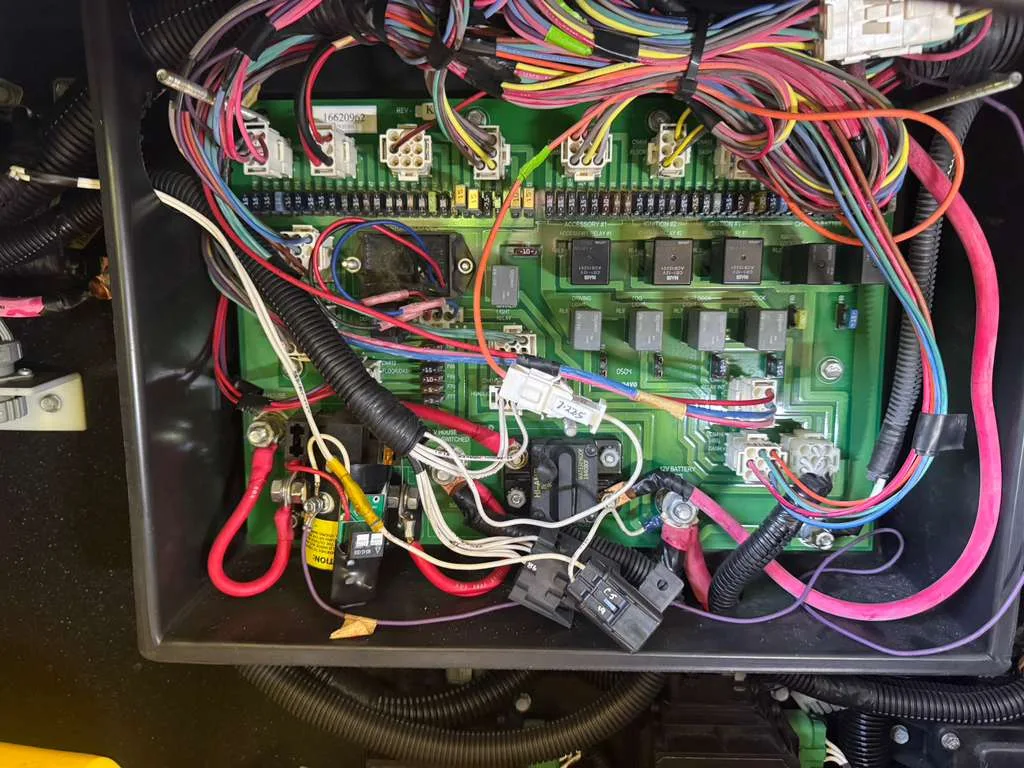
Dead batteries, slow charging, weak 12-volt systems. We test, replace, and upgrade RV batteries on-site. Lead-acid, AGM, and lithium conversions throughout Martin County.
Your RV's battery bank powers everything that works when you're not plugged into shore power: interior lights, water pump, slideout motors, LP gas detector, furnace fan, and your refrigerator's control board. When those batteries weaken or die, your RV is basically a very expensive tent.
RV battery replacement covers testing your existing batteries under load, removing dead or weak units, installing new ones, and making sure your charging system is compatible. We work with all three major battery types: traditional flooded lead-acid, sealed AGM (absorbed glass mat), and lithium iron phosphate (LiFePO4). Each has trade-offs in cost, lifespan, weight, and performance that depend on how you camp.
Florida's heat is particularly hard on RV batteries. Temperatures inside a battery compartment can easily hit 130 degrees in summer, which accelerates the chemical breakdown inside the cells. That's why batteries that last 5 years up north might only give you 2-3 years here in Palm City. We see it constantly.
We test, replace, and upgrade RV batteries at your location. Single battery replacement runs $150-350. AGM upgrades cost $250-500 per battery. Full lithium conversions range from $900-2,200 depending on capacity. We handle the charging system adjustments too.
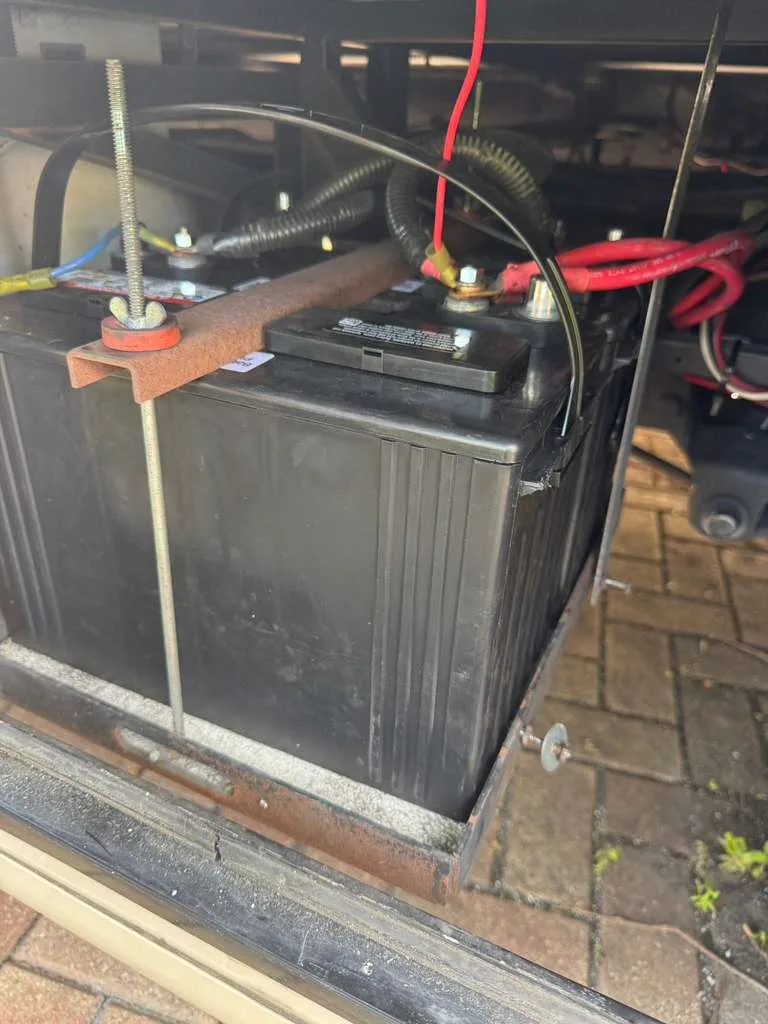
We test each battery individually under load, not just resting voltage. This reveals actual remaining capacity and tells us which batteries are truly done.
We verify your converter's output voltage and charging profile. A bad converter will kill new batteries just as fast as it killed the old ones.
Clean the terminals, check cable condition, install the new batteries, and torque all connections properly. We apply anti-corrosion compound to every terminal post.
We confirm the converter is charging at the correct voltage for your new battery type and check that the disconnect switch, battery monitor, and all 12V circuits are working properly.
| Service | Price Range |
|---|---|
| Single Battery Replacement (Lead-Acid) | $150 - $250 |
| Single Battery Replacement (AGM) | $250 - $500 |
| Dual Battery Bank Replacement | $300 - $700 |
| Lithium Conversion (200Ah) | $900 - $1,400 |
| Lithium Conversion (400Ah+) | $1,500 - $2,200 |
| Battery Load Testing & Terminal Service | $50 - $95 |
Lithium conversion pricing includes battery, converter adjustment or replacement, and wiring modifications. Exact quote provided before work starts.
Don't wait until you're stuck without power at a campsite. Here are the signs your RV batteries are failing:
A single lead-acid battery replacement runs $150-350 depending on the battery size and group type. Upgrading to AGM batteries costs $250-500 per battery. A full lithium conversion, which includes new batteries, a compatible charger, and rewiring, typically ranges from $900-2,200 depending on how much capacity you need.
Florida's heat is tough on batteries. Standard lead-acid batteries typically last 2-3 years here versus 4-5 years in cooler climates. AGM batteries hold up better, usually lasting 3-5 years. Lithium batteries are the most heat-resistant and can last 8-10 years with proper care. The key is keeping batteries properly charged and not letting them sit discharged in the heat.
If you boondock or dry camp regularly, lithium is a game-changer. You get 2-3 times more usable capacity from the same physical size, they charge 5 times faster, and they last significantly longer. But if you mostly stay at full-hookup parks, the upfront cost might not make sense. We'll talk through your camping style and help you decide what actually makes sense for your situation.
You shouldn't. Mixing battery types, like putting an AGM next to a lead-acid in the same bank, causes problems because they have different charge profiles and internal resistance. The weaker battery drags down the stronger one, and neither charges properly. When you replace batteries, replace the entire bank with matching units at the same time.
The telltale signs are dim interior lights, a sluggish water pump, slideouts that move slower than normal, or batteries that won't hold a charge overnight even after a full day on shore power. We do a load test to check actual capacity, not just resting voltage. A battery can show 12.6 volts at rest but collapse under load if the plates are sulfated.
Usually, yes. Standard RV converters use a charge profile designed for lead-acid batteries. Lithium batteries need a different voltage range and can accept much higher charge rates. If your converter doesn't have a lithium charge mode, it'll either undercharge the batteries or potentially damage them. We factor the converter upgrade into every lithium conversion quote.
It depends entirely on how you camp. If you're always on shore power, a single Group 24 or 27 battery is plenty for overnight backup. If you boondock, you'll want enough capacity to run your essentials for 2-3 days without charging. For most rigs, that's 200-400 amp-hours of lithium or 400-800 amp-hours of lead-acid. We calculate your actual daily power draw and size accordingly.
We'll test your batteries under real load, tell you exactly what's going on, and give you options that match your budget and camping style.
Call 772-271-5270