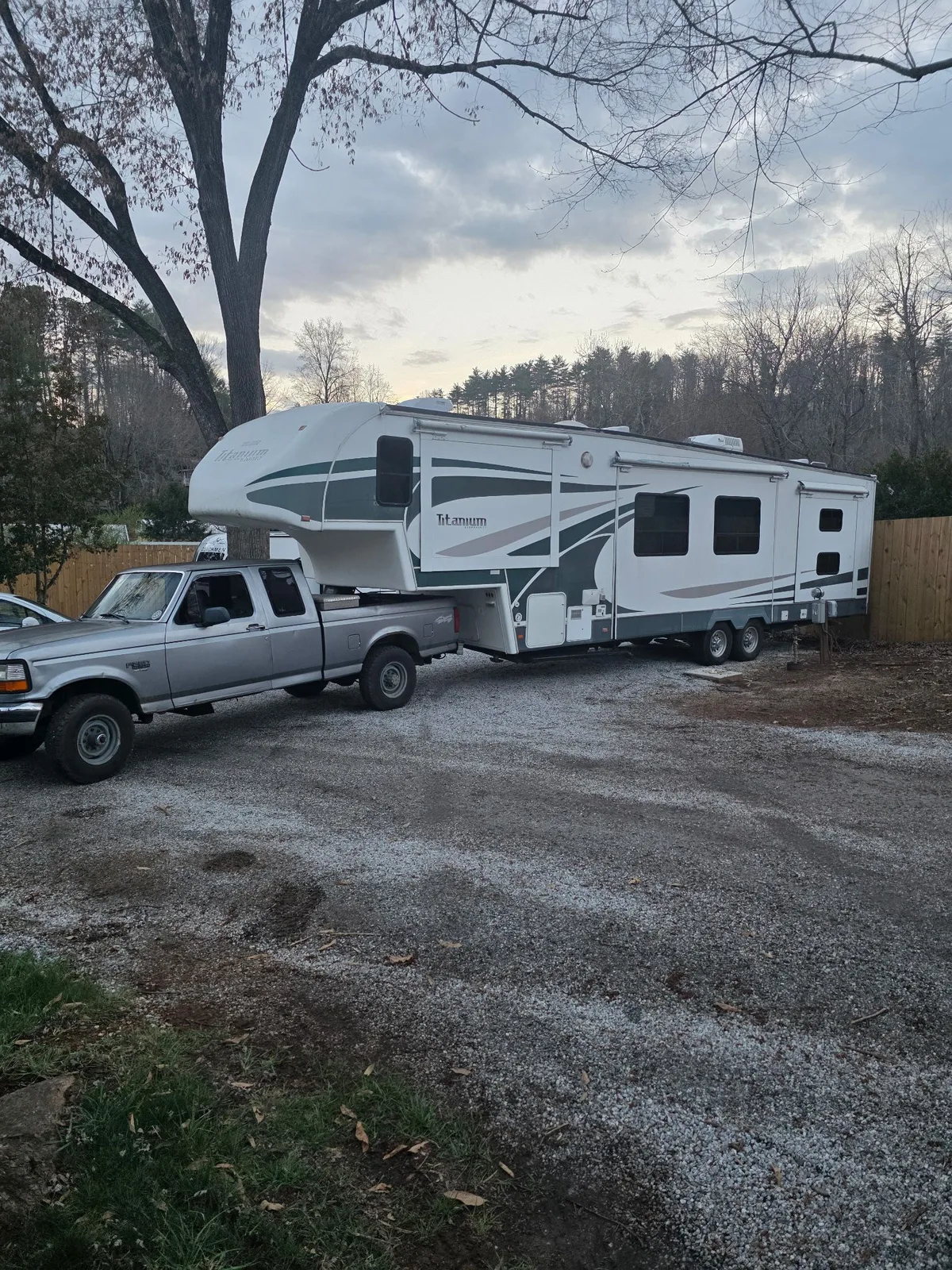
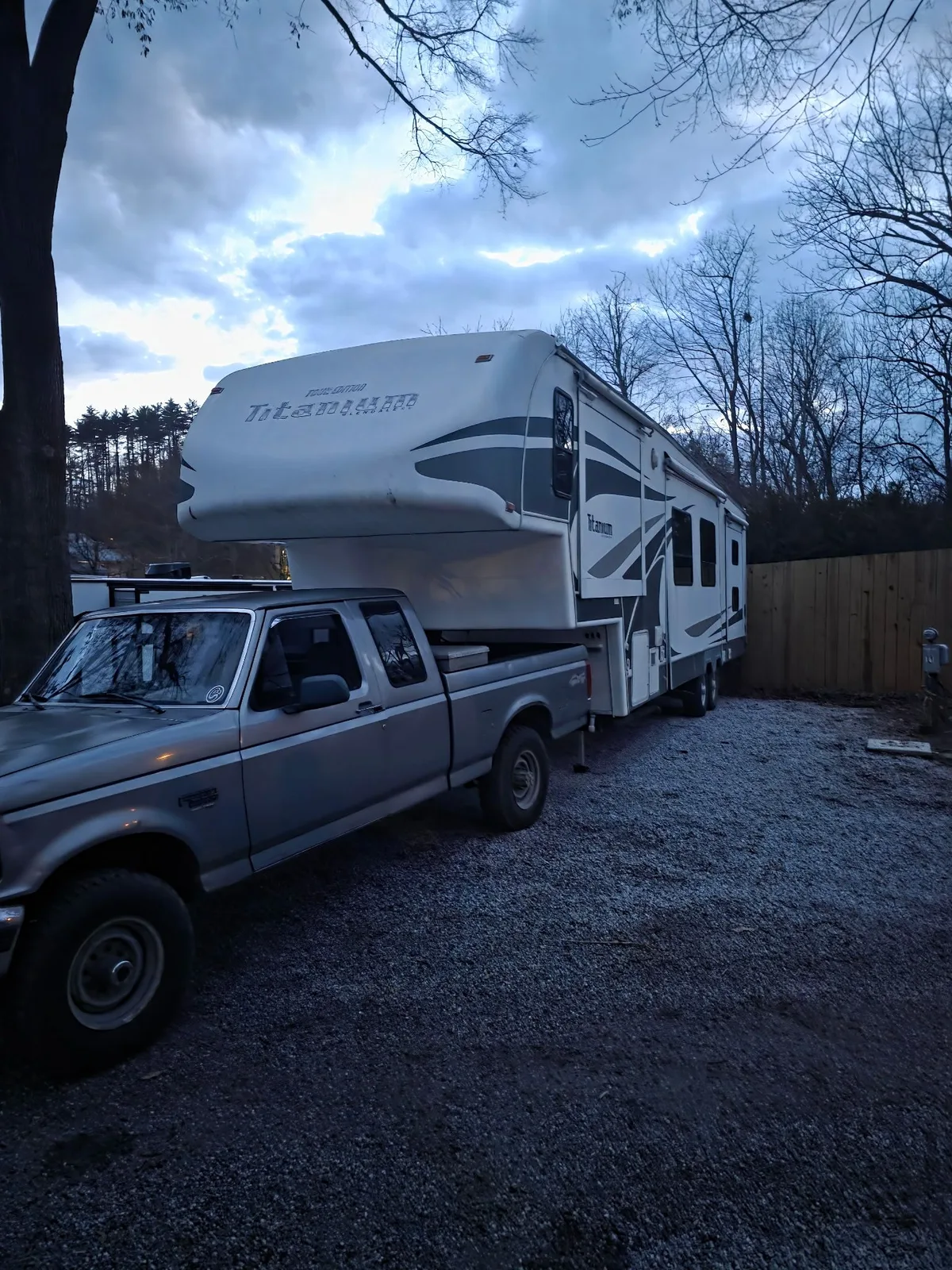
14 years ago, one guy with a service truck and a marine repair background decided Martin County needed better mobile RV repair. Here's how that turned into 2,800+ completed jobs.
I'm Paul Kalimero, and I didn't start in the RV world. For the first chunk of my career, I worked on boats. Marine electrical, bilge pump systems, onboard plumbing, 12-volt lighting setups, shore power connections. If it was on a vessel docked somewhere between Stuart and Jupiter, there's a solid chance I worked on it.
The pivot to RVs happened around 2012. A buddy at one of the marinas asked if I could look at his travel trailer's electrical system. The converter was shot, the shore power inlet was corroded, and half the outlets in the rig were dead. I fixed everything in an afternoon, and he told everyone at his campground. Three calls the next week. Five the week after that.
Turns out, the wiring in an RV looks a lot like the wiring in a boat. Same dual-voltage setup. Same tight spaces. Same problem-solving approach. The plumbing is almost identical too. I already had the skills. I just needed the RV-specific training to back them up.
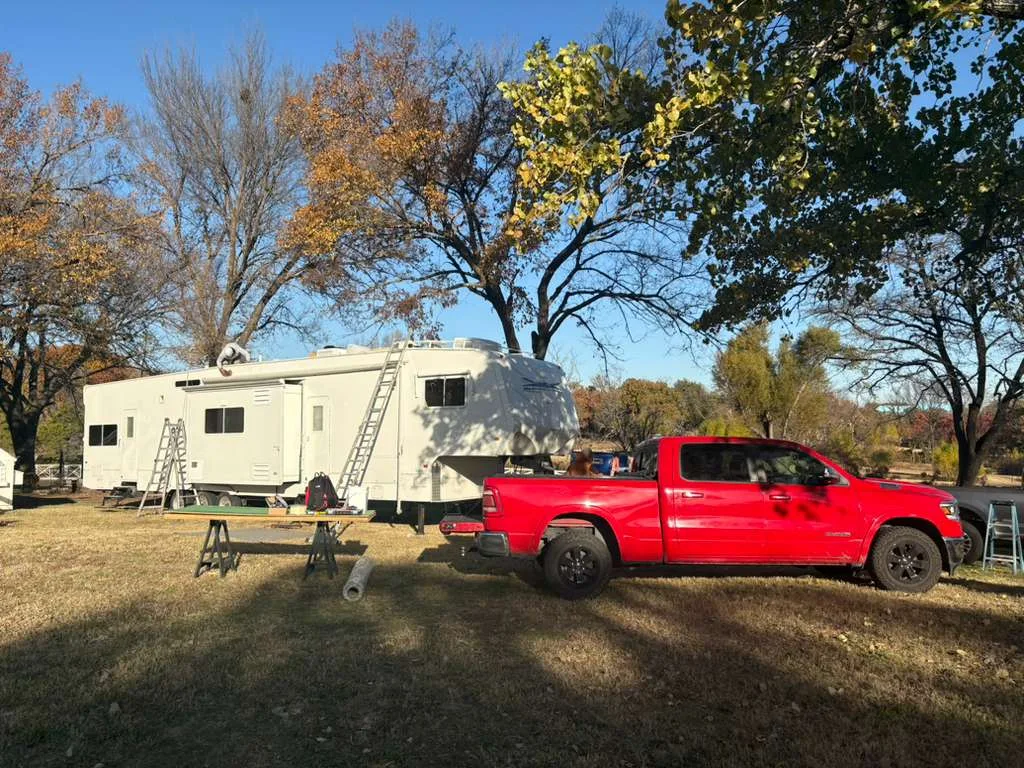
I got my RVIA certification within the first year. That credential covers everything from propane systems to structural standards. It confirmed what I already knew from hands-on work, but it also opened doors. Insurance companies want to see that cert. So do customers who've been burned by someone without proper training.
By 2015, I was running 6 to 8 calls a week and couldn't keep up solo. I brought on my first technician, trained him the way I'd been trained on boats: hands-on, side-by-side, until every diagnosis was second nature. Today, we've got a small but solid crew, and every tech carries RVIA credentials before they touch a customer's rig.
We've stayed mobile on purpose. A shop means overhead, and overhead gets passed to you. Our trucks carry diagnostic equipment, common replacement parts, sealants, electrical components, and the tools to handle about 90% of jobs in one visit. The other 10% just need a specialty part ordered, and we're back within a few days.
We don't cut corners on qualifications. Here's what stands behind every repair we do.
Every technician on our team holds certification from the RV Industry Association. Covers electrical, plumbing, propane, HVAC, and structural systems.
Fully licensed in the state of Florida. We carry general liability insurance and workers' comp. Your RV is protected the entire time it's in our care.
Every repair comes with a warranty on our labor. Installed parts carry their manufacturer warranty too. If something we fix fails, we come back and make it right.
I'm not interested in building a franchise with 50 trucks. We stay small on purpose. I've trained every technician on this team personally. They've ridden along on hundreds of calls, watched how I diagnose problems, and learned the shortcuts that only come from 14 years of doing this every day.
Before a tech runs a job solo, they've handled at least 200 supervised repairs. That's our bar. It takes time, but it means you're getting someone who actually understands RV systems instead of someone who just Googled the problem on the drive over.
I still handle the trickiest diagnostics myself. Complex electrical problems, intermittent faults, solar system designs, anything that needs real troubleshooting experience. And I quality-check every major repair before we sign off. That's not going to change.
That's it. That's the whole philosophy. We're not trying to upsell you on services you don't need. We're not going to pad the invoice with mysterious line items. And we're definitely not going to start work without telling you exactly what it'll cost.
When we show up, we diagnose the problem, explain it in plain language, and give you a written quote. You decide whether to move forward. No pressure. If you want to get a second opinion, go for it. We're confident enough in our pricing and our work to let the numbers speak for themselves.
After the repair, we test everything in front of you. We walk through what was done, what parts were used, and what to watch for down the road. Most of our customers have been with us for years, not because they signed a contract, but because they keep calling back. That's the kind of business I wanted to build, and that's the kind of business we run. According to the Better Business Bureau, transparency in pricing is one of the top factors consumers look for when choosing a service provider. We agree.
The things people want to know before they book their first appointment.
Paul Kalimero. I started the business in 2012 after spending years in marine repair along the Treasure Coast. I still take most of the calls, oversee every major job, and handle the trickiest diagnostics personally. This isn't a franchise or a call center. It's a local business I built from scratch.
Marine electrical and plumbing. I spent years working on boats docked along the Treasure Coast. The 12V/120V dual-voltage systems, water pumps, and HVAC units in boats are nearly identical to what's inside an RV. That foundation gave me a head start when I transitioned to RV work, and the RVIA certification filled in the RV-specific gaps.
Yes, every technician. RVIA certification is the industry standard for RV repair. It covers electrical, plumbing, propane, HVAC, and structural systems. No one on our team touches a customer's RV without current credentials and at least 200 supervised repairs under their belt.
Fully. We're licensed to operate in Florida and carry general liability insurance plus workers' compensation coverage. You can ask for proof of insurance anytime. It protects your RV and gives you peace of mind that you're working with a legitimate, accountable business.
Over 2,800 across 10 cities in Martin County. That includes everything from quick thermostat replacements and fuse panel swaps to full solar installations, complete roof recoats, and multi-system diagnostics. We log every job, and the number keeps growing.
Demand. In 2012, Martin County RV owners didn't have many options for mobile living-space repair. The skills I'd built on boats transferred almost perfectly, and the need was obvious. One job turned into three, three turned into ten, and by the end of that first year, I knew I'd found the right niche.
No, and that's intentional. A shop means overhead, lease payments, and utility bills, all of which get passed to the customer. Our mobile setup means we come to your RV, whether it's at a campground, storage lot, or your driveway. Lower overhead for us translates to fairer pricing for you.
All types. Class A, B, and C motorhomes, fifth wheels, travel trailers, toy haulers, pop-up campers, and truck campers. We've worked on everything from brand-new Tiffin Allegros to 30-year-old Fleetwood coaches. Brand and model year don't limit us. The living-space systems are what we specialize in, and those are consistent across manufacturers.